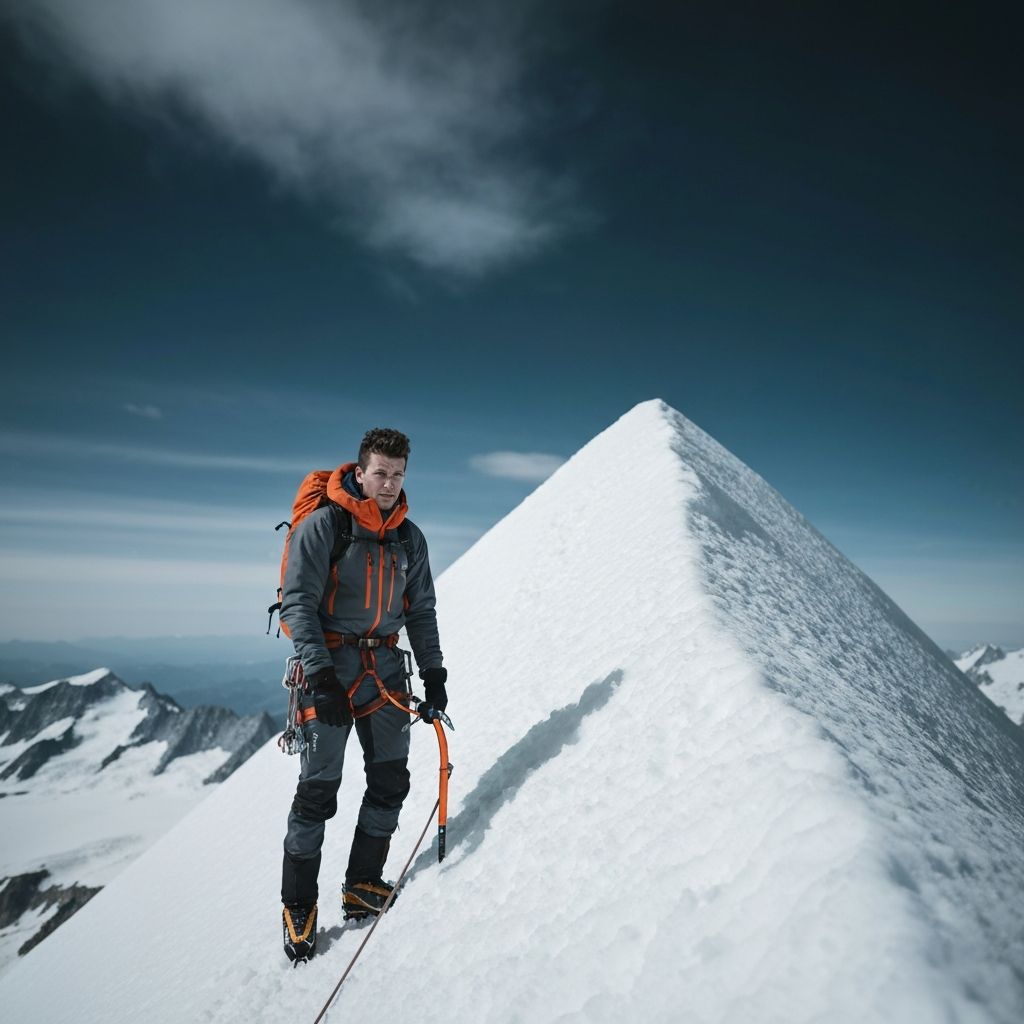
In an outdoor industry built on convincing consumers they need more—more layers, more features, more specialized equipment for ever-narrower use cases—a counter-movement is quietly gaining momentum. Alpine minimalism, as practitioners call it, inverts the conventional wisdom: the best gear is the gear you don't carry. But this isn't reckless underpreparation—it's a sophisticated approach that demands deeper knowledge, better skills, and paradoxically, higher quality equipment.
The Philosophy of Sufficient
The concept traces its modern roots to alpinist Steve House, whose 2005 ascent of the Rupal Face required 30 pounds of gear for a week-long push in the Himalayas. 'We didn't decide what to take,' House explained in a later interview. 'We decided what we could survive without.' This framing shift—from accumulation to elimination—represents the core of alpine minimalism. It requires intimate knowledge of both your capabilities and your gear's true limits. A minimalist doesn't carry a 200g emergency bivy because they hope to use it; they carry it knowing exactly how much heat it retains at -15°C after 36 hours of continuous wear. This level of familiarity can't be acquired through product reviews—it demands time, experience, and often, calculated discomfort.
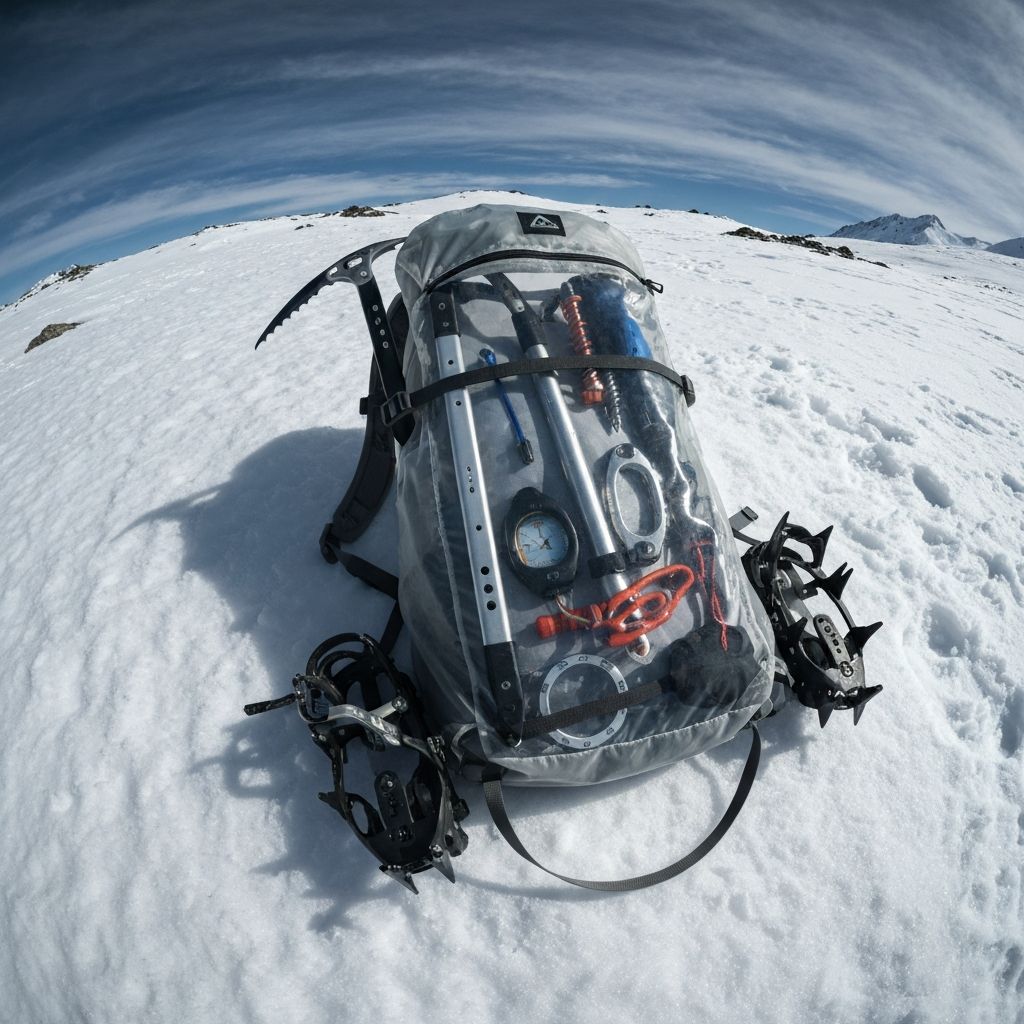
Equipment Implications: The Premium Ultralight Paradox
Alpine minimalism has created an unusual market dynamic: ultralight gear that costs more than traditional equipment. A minimalist shell jacket might weigh 150g compared to a conventional alpine jacket's 400g, but achieving this while maintaining waterproofing and durability requires advanced materials like Dyneema Composite Fabric or cutting-edge membrane technologies. The result: premium ultralight pieces often cost 30-50% more than their heavier counterparts. Brands like Rab, Mountain Hardwear, and Outdoor Research have introduced 'alpine race' lines targeting this segment, featuring stripped-down designs that eliminate every non-essential element. No extra pockets, minimal reinforcement, hood systems that barely accommodate helmets—these aren't oversights but deliberate choices that transfer responsibility from gear to user.
The Knowledge Gap: When Minimalism Becomes Dangerous
The concerning trend is weekend recreationalists adopting minimalist approaches without the skills to compensate. Search-and-rescue teams across alpine regions report increasing incidents involving hikers carrying ultralight gear without the experience to deploy it effectively. 'A 20-liter pack and a 500g sleeping bag look great on Instagram,' notes a SAR coordinator in Chamonix, 'but they require you to move fast, navigate perfectly, and accurately predict conditions. Most people can't do that reliably.' The solution isn't gatekeeping but education. Several guide services now offer 'minimalist skills' courses that teach efficient movement, weather prediction, and improvised techniques for extending gear capabilities. The message: minimize gear only after you've mastered traditional approaches.
The Environmental Equation
Proponents argue that minimalism offers environmental benefits beyond reduced material consumption. Lighter loads enable faster travel, reducing campsite impact and trail erosion. They require less food and fuel, decreasing transportation emissions. And paradoxically, higher-quality ultralight gear often proves more durable than budget heavy equipment, lasting decades rather than seasons. Critics counter that the production of advanced materials carries its own environmental costs, and the premium pricing makes minimalist gear accessible primarily to affluent consumers. The truth likely sits between these positions, but one fact remains clear: any approach that makes people more thoughtful about their equipment consumption represents progress in an industry built on selling unnecessary upgrades.
Finding Your Minimum: A Personal Calibration
The ideal approach varies dramatically based on individual factors: experience level, physical conditioning, risk tolerance, and the specific environment you're entering. A useful framework: start with standard gear, then eliminate one item per trip while carefully documenting what you actually use. Pay attention not just to what you do use, but when you reach for something and why. Over time, you'll develop a personalized understanding of your true requirements. The goal isn't to match anyone else's baseweight—it's to find the sweet spot where you carry everything you might genuinely need and nothing you certainly won't. That equilibrium point is deeply personal, and discovering it is half the journey.