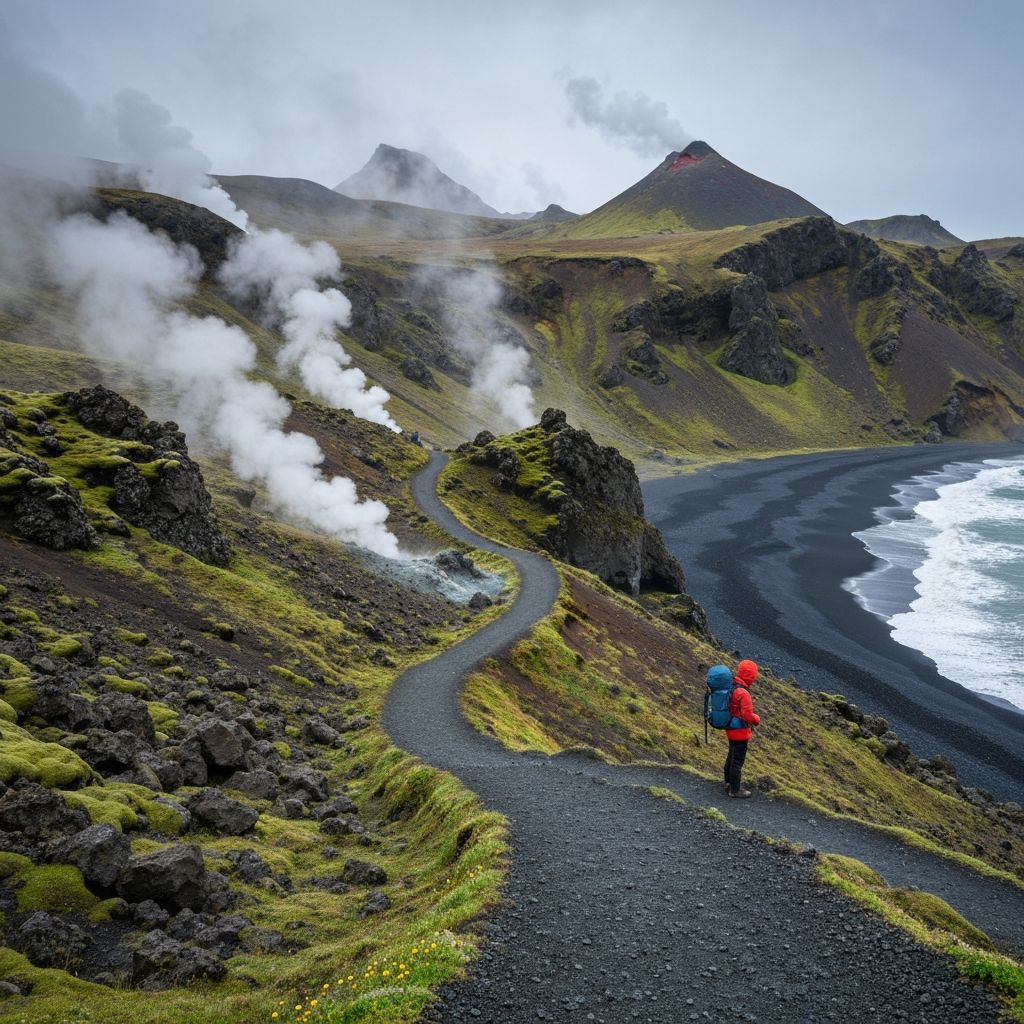
The Everest Base Camp trek is the most photographed walk in the world and, consequently, the most misunderstood. Coverage focuses on congestion at a small number of bottlenecks while ignoring the temporal distribution that defines the actual experience. Trekking in the Khumbu in late October and trekking it in December are not variations of the same trip; they are functionally different journeys on the same path, one of which is now genuinely quiet. The permit and arrival data for the 2026 season makes the case for timing more convincingly than any marketing argument.
Where and When the Khumbu Is Actually Busy
Congestion on the EBC route is not diffuse; it is a specific pattern in time and space. Arrivals through Lukla and the overland route via Jiri and Salleri combine into a peak in the second half of October, when roughly 12,000 visitors enter the region within about 25 days. During that window, flights to Lukla are delayed by weather and volume, the Namche to Tengboche stretch is continuously occupied, and teahouses above 4,000 metres must turn people away. By contrast, the first three weeks of December see a quarter of that traffic with comparable clarity and colder but manageable conditions. The trails themselves never feel crowded; the infrastructure does. Understanding that distinction is the key to planning a good trip.
The Permit and Fee Architecture
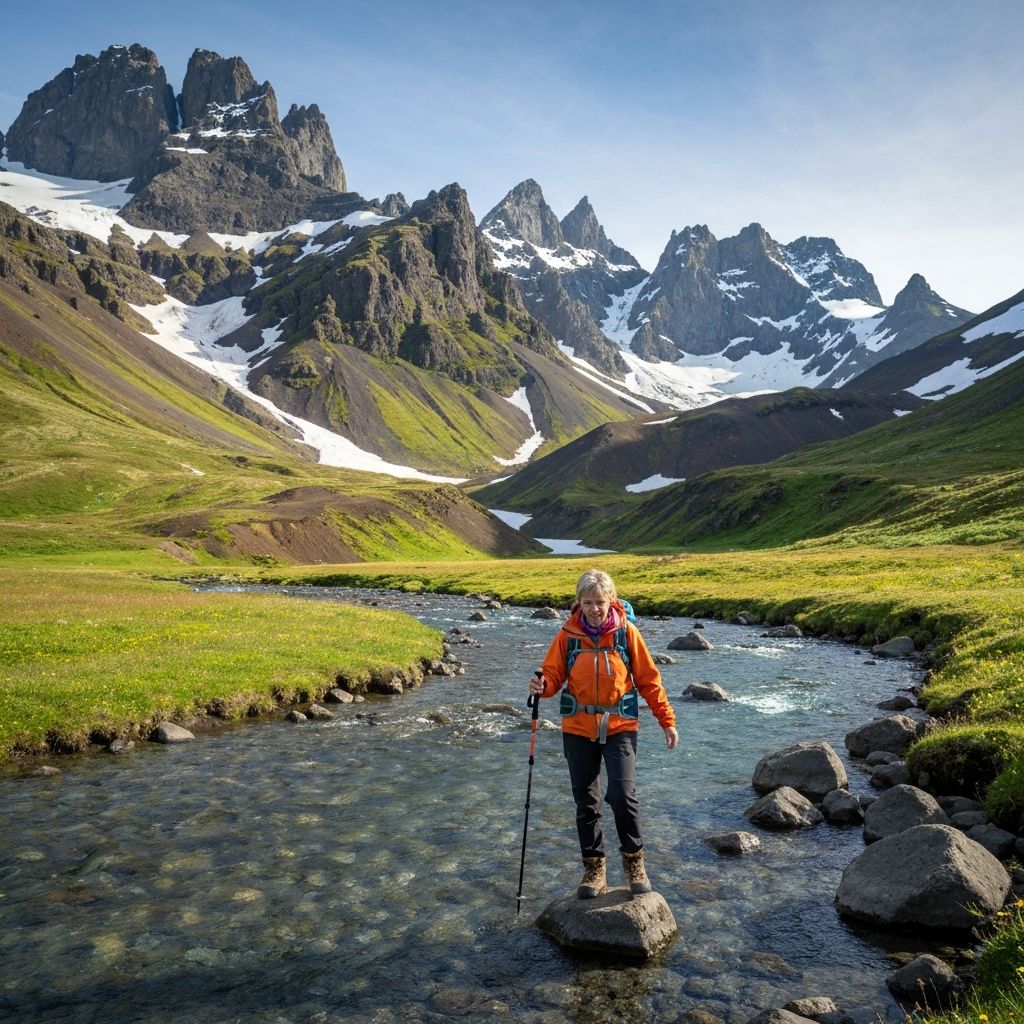
The Khumbu is administered through a layered system: a national park entry fee, a local municipality fee collected at Monjo, and a Trekkers' Information Management System registration that creates the data trail used for search and rescue, insurance verification and, in principle, capacity planning. Fees are modest by international standards and have risen gradually, but the system is not designed as a crowd-management instrument: it records who is present, not how many may be. That is the central policy gap. Unlike the Dolomites' hut bottleneck, the Khumbu has structural capacity in teahouses that could absorb more visitors if spread over more weeks, so the sensible instrument is temporal pricing or seasonal incentives rather than a hard cap that would damage local livelihoods.
Altitude, the Real Risk This Route Carries
The most valuable data from this route concerns medicine, not crowds. Himalayan Rescue Association consultations at Pheriche indicate that roughly one in eight walkers seeks advice for altitude-related symptoms, and the overwhelming majority of serious cases involve ascent rates that ignored established guidance. The practical protocol that works has not changed. Above 3,000 metres, sleep no higher than 500 metres above the previous night's altitude once every 1,000 metres of gain, include a rest day at Namche before pushing on, and treat any worsening of symptoms at altitude as a signal to descend rather than to rest. Acclimatisation schedules built around these rules add two days to a typical itinerary and remove most of the medical risk.
Waste, Water and the Cost of the Last Mile
Everything above Lukla arrives and departs by aircraft or porter, and waste management reflects that constraint starkly. Solid waste is consolidated and airlifted out on a subsidised basis, and the volumes involved run to hundreds of tonnes annually. Toilets at high teahouses use either pit systems or barrel collection, both of which require human carriage. Water is the other invisible cost: every litre is either boiled using imported fuel, treated with filters or bought in plastic bottles, and bottled water is the single largest source of the plastic waste problem on the route. The most effective thing an individual trekker can do is carry a filter and purification tablets, refuse bottled water entirely, and pack out personal waste from the high camps at Gorak Shep and Base Camp.
A Better Itinerary for 2026 and Beyond
Start in the first week of December rather than late October. Fly to Lukla with a buffer of at least two days before your permit window opens, because weather cancellations are routine. Build the acclimatisation rest day at Namche as non-negotiable and add a second at Dingboche if you have the time. Trek above 4,000 metres only with a plan for descending, and carry a pulse oximeter with a baseline reading taken at low altitude for comparison. Walk early in the day, when the trail is quiet and the weather is most stable. And consider the shoulder months deliberately: late November and early December offer the same landscape, half the traffic, and a locally meaningful contribution to spreading income across more of the season rather than concentrating it into three weeks.
References
Data sources, standards and publications consulted for this article. Where a figure could not be traced to one of these, we say so in the text rather than presenting it as verified.
- [1]Protected area visitor statisticsDepartment of National Parks and Wildlife Conservation, Nepal · 2026
- [2]Altitude illness prevention and treatment guidanceWilderness Medical Society · 2024
- [3]High-altitude illness consultation dataHimalayan Rescue Association · 2025
- [4]Sagarmatha National Park management and waste reportingUNESCO World Heritage Centre · 2025
Tenzin grew up in Solukhumbu and has worked as a trekking guide and logistics coordinator in the Khumbu for fifteen years.
Equipment referenced in this article
Each item has its own specification sheet with full measurements, pricing and verdict.
Tap an item to expand specifications, or open its full record in the database.