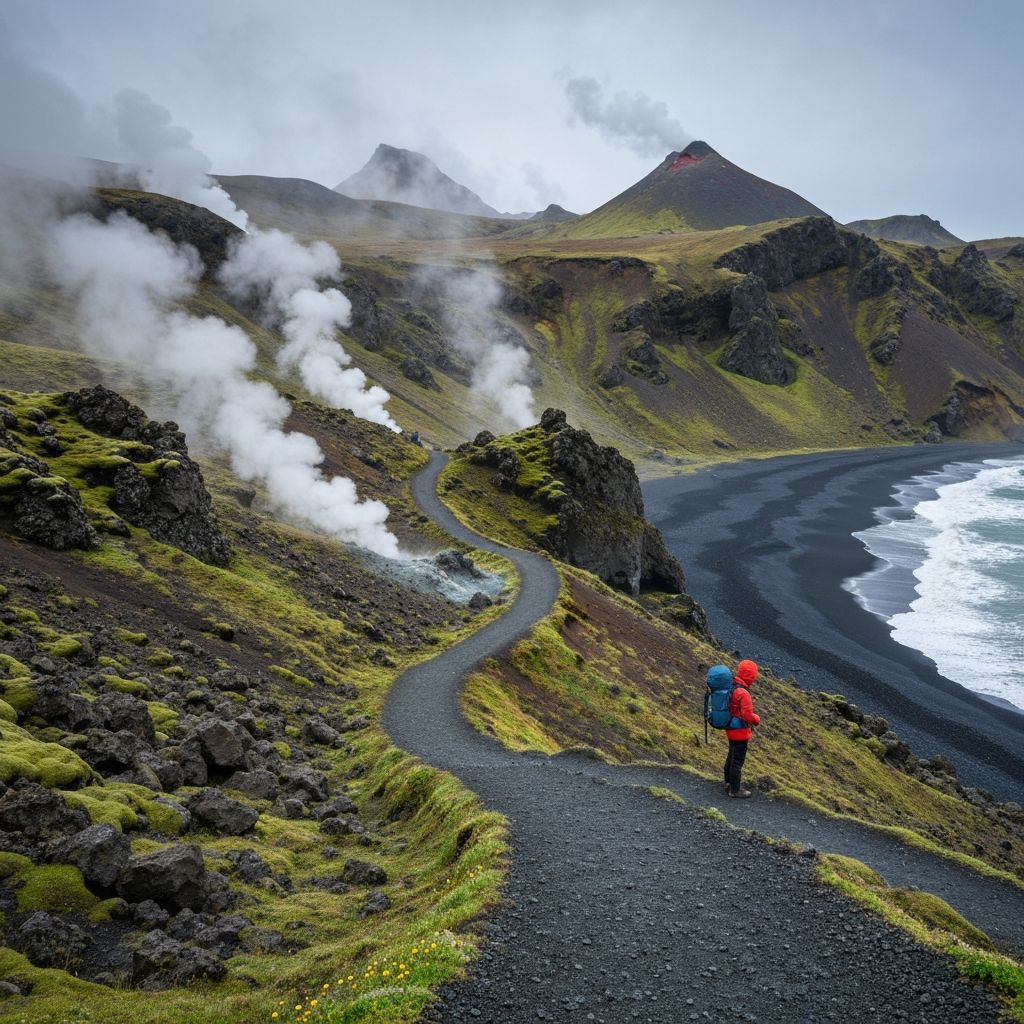
Torres del Paine compresses a remarkable range of Patagonian landscape into a single park, and the O Circuit is the only way to walk all of it. For years the trek was semi-improvised: arrive in Puerto Natales, organise permits, sort out camping in whatever order happened to work. That era is over. The park now operates a fully reserved system in which every night of the circuit must be pre-booked at a specific site, and the enforcement is real because the sites are the only legal places to sleep. Understanding the new mechanics is now the difference between completing the circuit and turning around at a ranger checkpoint.
How the Reservation System Works
The circuit is divided into a sequence of designated camps and refugios, each with a defined nightly capacity, and reservations are made directly with the two concession operators that manage different portions of the park. Each night must be reserved separately, and the sequence cannot be compressed: the system will not allow you to leapfrog a site, which prevents the practice of pushing double stages to compensate for a missed booking. Peak season dates for the following season typically release months in advance and the most constrained sites sell out quickly. The practical implication is that a Patagonia circuit is now planned like an alpine hut traverse: choose dates, secure the sequence, then buy flights.
What the Fixed-Camp System Changed on the Ground
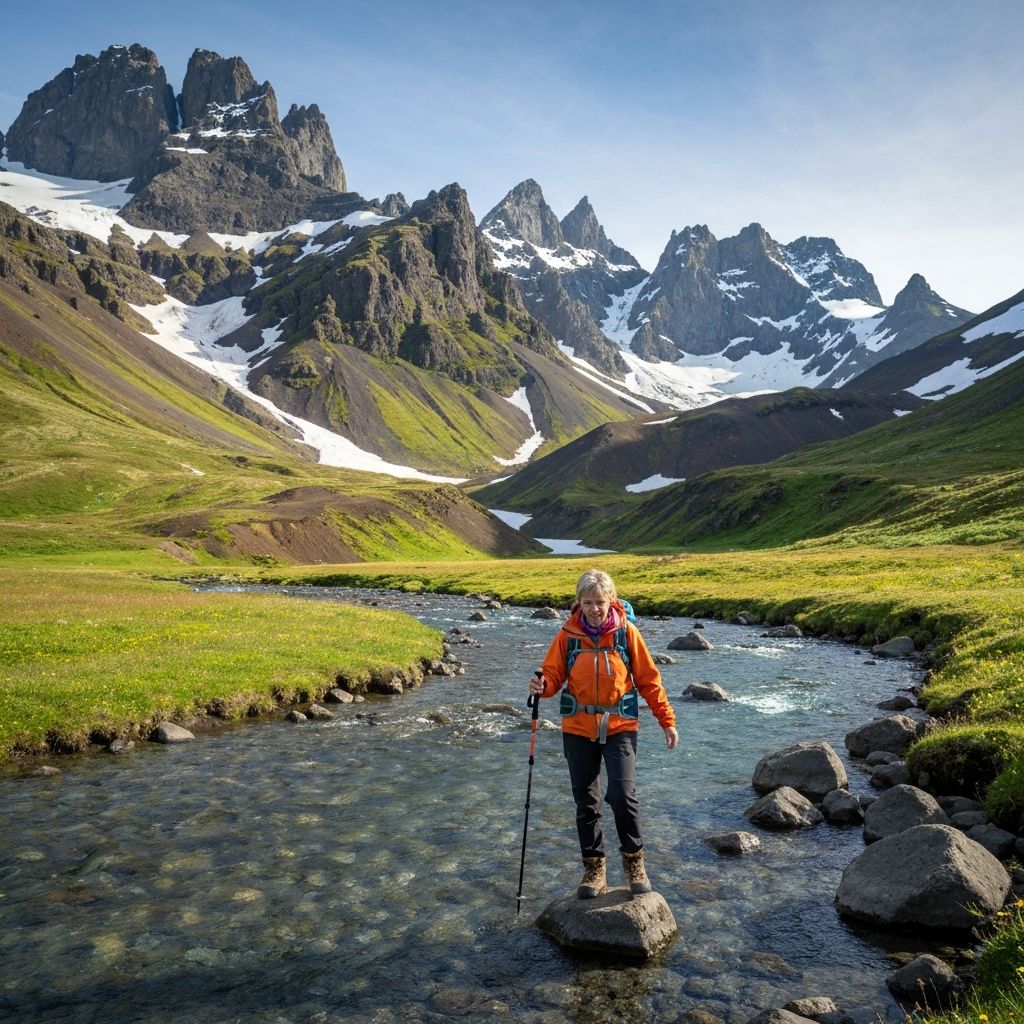
Three visible changes. First, no more dispersed camping in the back sectors, which has concentrated impact but greatly reduced the informal sites that were degrading vegetation near the passes. Second, camp facilities have improved: the major sites now have defined cooking shelters, reliable water and, in the refugio-managed sections, actual indoor space. Third, the circuit feels more predictable and slightly less adventurous, which is an honest trade. Rangers do check reservations at the pass approaches, and walkers without valid bookings are turned back, an outcome that in practice means a long, unpleasant return to the previous site rather than a fine.
Weather and Wind: The Objective Hazards
The dominant hazard on the O Circuit is wind, not temperature. Gusts at the John Gardner Pass and on the exposed sections approaching it regularly exceed 100 km/h in summer, and the practical consequence is not discomfort but loss of balance on loose terrain with a loaded pack. The park's own guidance advises against crossing the pass in high wind and closes sections when conditions warrant. Even away from the pass, the weather changes on a scale that catches people out: a calm, warm morning in the valley can become horizontal rain and driving wind within two hours and 400 metres of elevation. Pitching a tent in Patagonian wind is a skill, not an afterthought, and the most common equipment failures we observed were pole breaks and stake pull-outs rather than insulation deficits.
Water, Fuel and the Cost of Logistics
Water is generally abundant and clear from streams throughout the circuit, so most walkers carry a filter and refill rather than carrying volume, which is the correct approach given the distances. Fuel is not available inside the park, and the nearest reliable supply is Puerto Natales, so stoves must be filled before entry. Food is available at some refugios at prices that reflect the logistics of moving goods into a national park, and resupply options are limited to specific sites. This is where the budget becomes elastic: a strictly self-catered camping circuit and a refugio-based circuit with purchased meals are the same walk with an order-of-magnitude difference in cost, and the food you carry is the main variable in pack weight.
Planning a Circuit That Actually Works
Reserve as far ahead as the booking window allows, and be prepared to accept imperfect dates because the constrained sites will not flex. Build in one spare day at Puerto Natales on the way in and one on the way out: flights to Punta Arenas and onward buses are delayed by wind frequently enough that tight connections fail regularly. Carry a repair kit for your shelter, because tent failure in wind is the most likely event that ends a circuit early. Plan your resupply at the mid-park refugio if you are moving quickly, and accept the cost. Finally, walk the pass early in the day, before the wind typically builds, and be genuinely willing to wait a day. The circuit rewards patience far more than ambition.
References
Data sources, standards and publications consulted for this article. Where a figure could not be traced to one of these, we say so in the text rather than presenting it as verified.
- [1]Torres del Paine National Park access and reservation policyCorporación Nacional Forestal (CONAF), Chile · 2026
- [2]Meteorological data for Magallanes and Chilean AntarcticaDirección Meteorológica de Chile · 2025
- [3]W Trek and O Circuit planning documentationSERNATUR (Chilean national tourism service) · 2025
- [4]Protected area management in PatagoniaUNESCO World Heritage Centre · 2024
Marcus has covered the outdoor supply chain since 2016, reporting from ISPO Munich, OR Salt Lake City and factory floors in Vietnam and Portugal.
Equipment referenced in this article
Each item has its own specification sheet with full measurements, pricing and verdict.
Tap an item to expand specifications, or open its full record in the database.