Snow Peak occupies an unusual position in the outdoor industry: a Japanese manufacturer of precision titanium and stainless steel camping equipment that turned camping into a design culture, sold the idea of an outdoor lifestyle to an urban audience, and then became a publicly traded company. Listing changes a business. It imposes reporting rhythms, growth expectations and capital-market incentives that sit awkwardly with the slow, obsessive product development that created the brand. What happened next is a case study in whether a philosophy can survive the transition, and it is more complicated than either the enthusiasts or the sceptics suggest.
The Origin of the Aesthetic
Snow Peak began as a metalworking operation in Niigata, a region with deep metalworking traditions, and the technical foundation is genuinely industrial: precision titanium and stainless steel production with tolerances more typical of aerospace than camping. What made the brand culturally distinctive was not the manufacturing but the framing. Instead of presenting camping equipment as specialised sports gear, the company presented it as domestic objects: a titanium mug that belongs on a kitchen shelf, a fire pit that belongs on a terrace. That reframing created a category that did not previously exist, and it attracted an audience that had never considered itself outdoors-oriented. The subsequent decade of growth across Japan and Asia validated the insight.
What Listing Changes in Practice
Going public introduces three pressures that bear directly on product decisions. First, revenue growth must be reported quarterly, which favours categories that turn over quickly: apparel, consumables, accessories. Second, the addressable market must be argued to be large, which pushes expansion beyond the brand's founding geography. Third, capital allocation must be defensible to investors who are not necessarily outdoor users, which favours projects with measurable returns over those with cultural ones. None of these pressures is fatal, and all of them push in the same direction: broader ranges, faster cycles, more apparel, more markets. Observers who valued the brand for its restrained hardware catalogue noticed the change immediately, and their observation was accurate about the direction even when it was unfair about the cause.
The Apparel Expansion and Its Logic
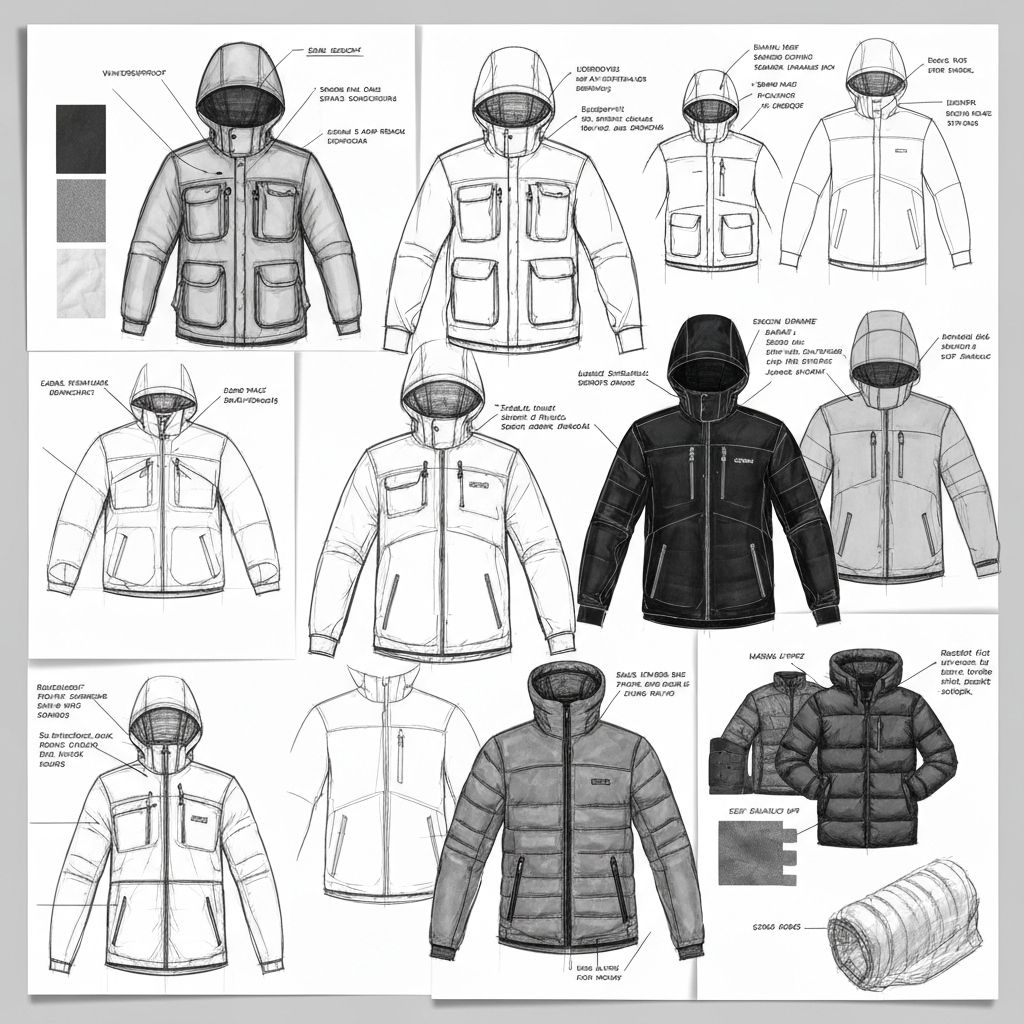
Apparel is where the practical shift shows most clearly. Clothing offers higher margins, faster inventory turns and far greater seasonal variety than titanium cookware, and it allows a brand to extend its aesthetic into daily wear rather than confining it to occasional use. For Snow Peak the expansion was commercially rational and strategically coherent: the brand had already positioned camping as lifestyle, and apparel is the most direct expression of lifestyle. The risk is dilution of the technical credibility that justified premium pricing on hardware. Our own assessment of the brand's technical apparel found it competent rather than exceptional: well-made and thoughtfully designed, but not outperforming specialist alpine brands in weather protection or weight. The premium reflects design and identity more than measured technical superiority, which is a legitimate basis for pricing but should be understood as such.
Internationalisation and the Seasonal Mismatch
Expanding into North America and Europe introduces a structural problem that Japanese outdoor businesses face repeatedly: the home market's camping culture and climate do not map onto overseas markets. Japan's car-camping tradition, dense and accessible camping infrastructure, and strong domestic design culture created a specific use case for beautifully made durable equipment. North American and European consumers often camp in more extreme conditions or pursue weight-critical activities where a heavy stainless fire pit is irrelevant. Adapting requires either broadening the range toward technical categories or accepting that the brand remains a lifestyle proposition in those markets. Both are viable, and the brand's answer has been to pursue both simultaneously, which is expensive and explains a good deal of post-listing product proliferation.
Did the Philosophy Survive?
Partially, and more than cynics predicted. Titanium and stainless steel hardware remains central, high quality and unusually long-lived, with replacement parts and service available. Repair and maintenance continue to be part of the brand's retail experience, including a physical culture of events and community that is genuinely distinctive and expensive to replicate. What has changed is the ratio: the catalogue is broader, the cycle is faster, and the customer base is more fashion-influenced than camping-driven. The honest verdict is that the philosophy survived as a core, and expanded into categories where its logic applies less well. For a buyer, the practical implication is straightforward: the hardware remains worth the premium, the apparel warrants comparison shopping, and the brand's value now lies as much in community and culture as in product performance.
References
Data sources, standards and publications consulted for this article. Where a figure could not be traced to one of these, we say so in the text rather than presenting it as verified.
- [1]Corporate disclosure and investor relations materialsSnow Peak, Inc. · 2026
- [2]Camping and outdoor market data for JapanJapan Automobile Camping Association (JAC) · 2025
- [3]Outdoor participation and market statisticsOutdoor Industry Association · 2025
- [4]Design-driven product strategy in consumer goodsDesign Management Institute · 2024
Kai has logged over 400 nights in lightweight shelters and tests fabric samples with a modified ASTM tear rig in a home workshop.
Equipment referenced in this article
Each item has its own specification sheet with full measurements, pricing and verdict.
Tap an item to expand specifications, or open its full record in the database.