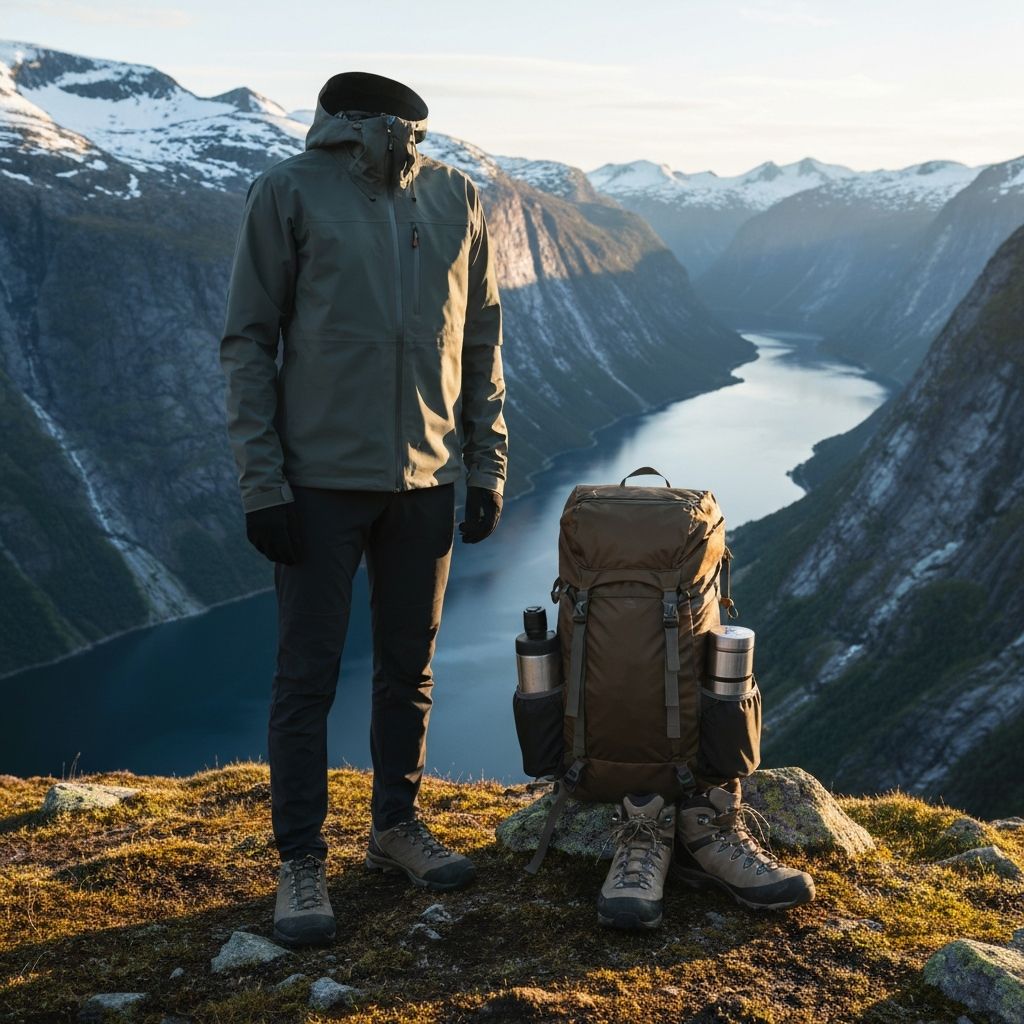
In a rapidly consolidating outdoor industry where most heritage brands have been acquired by private equity firms, Norrøna stands as a remarkable outlier. Still family-owned after 95 years, the Norwegian brand has built a reputation for making gear that outlasts warranties by decades, often at price points that make even premium competitors seem affordable. This isn't positioning—it's philosophy.
The Jørgensen Family Legacy
We meet Jørgen Jørgensen, current CEO and great-grandson of founder Jørgen Jørgensen (the names are tradition), at Norrøna's headquarters in Lysaker, just outside Oslo. The building itself embodies the brand's values: a renovated 1930s factory with exposed timber beams and natural light flooding through oversized windows. 'My great-grandfather started this company because existing equipment wasn't good enough for Norwegian mountains,' Jørgen explains, gesturing to black-and-white photographs of early expeditions. 'That standard—making gear that we would trust with our own lives—hasn't changed.' This isn't marketing speak. The Jørgensen family maintains a company policy that every product must be personally tested by leadership in genuine field conditions before release.
The Svalbard Test: Engineering for Extremes
Norrøna maintains a permanent testing facility in Longyearbyen, Svalbard, the northernmost civilian settlement on Earth, where winter temperatures regularly reach -30°C with sustained winds above 100 km/h. Every product in their lineup must complete a minimum 30-day field test here before production approval. 'Most brands test in labs,' notes Cecilie Skog, polar explorer and Norrøna's head of product testing. 'Lab testing tells you if something meets specifications. Field testing in Svalbard tells you if it will keep you alive.' The difference is stark: the brand's signature Trollveggen jacket underwent seven complete redesigns over four years before Skog approved it for release. The result? A jacket with a documented field lifespan exceeding 15 years of heavy use.
Material Innovation: The Fabric Library
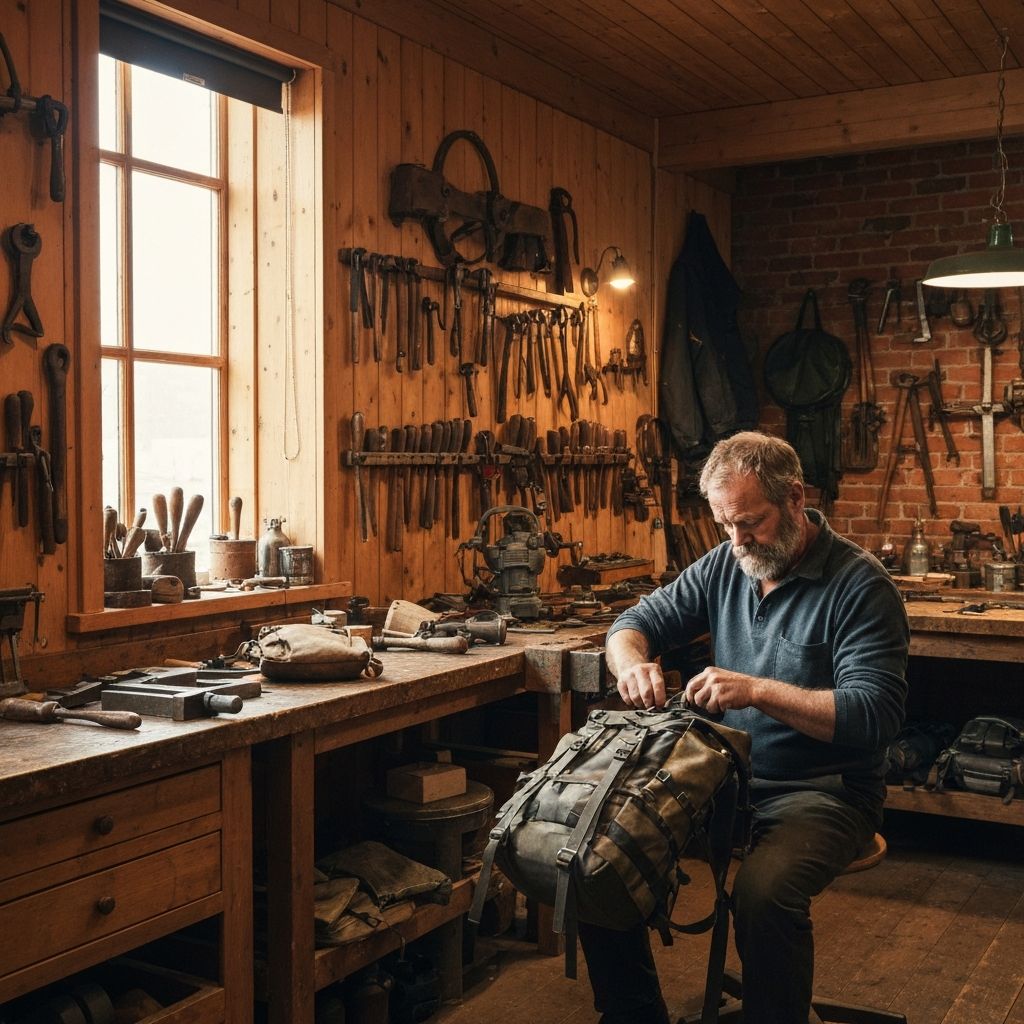
In Norrøna's R&D facility, we're shown what they call 'the library'—a climate-controlled room housing fabric samples spanning the company's history. 'This is our institutional memory,' explains textile engineer Kristian Moe, carefully handling a 1960s anorak made from ventile cotton. 'Modern synthetics perform better in most metrics, but traditional materials teach us about durability, repairability, and developing appropriate relationships with our gear.' This philosophy manifests in unexpected ways: Norrøna continues to offer a small line of wool products using century-old patterns, not for nostalgia but because wool's unique properties—natural temperature regulation, odor resistance, biodegradability—remain unsurpassed for certain applications. The brand's hybrid approach combines cutting-edge synthetics for weather protection with natural materials for base layers.
The Slow Fashion Philosophy
Unlike most outdoor brands that release seasonal collections, Norrøna operates on a three-year product cycle. 'Fast fashion is antithetical to sustainability,' Jørgen states bluntly. 'You cannot make durable goods on an accelerated timeline. Our goal isn't to sell more jackets—it's to sell fewer jackets that last longer.' This philosophy extends to their repair program, which handles over 14,000 repairs annually and guarantees lifetime service for any Norrøna product ever made. The company maintains archives of every fabric, zipper, and component used since 1929, ensuring that even vintage pieces can be restored to full functionality. It's a business model that prioritizes longevity over growth, and somehow, it works: Norrøna's revenue has grown consistently at 8-12% annually for the past decade.
The Next Generation: Navigating Fashion and Function
As we conclude our visit, we ask Jørgen about gorpcore and outdoor apparel's increasing presence in urban settings. He pauses, choosing words carefully. 'We're flattered that people value our aesthetic enough to wear it off the mountain. But we won't compromise technical features for fashion appeal. Our jackets have many pockets because you need somewhere to put your avalanche beacon, not because it looks interesting.' Yet he acknowledges the opportunity: 'If technical gear becomes everyday wear, perhaps people will demand higher standards for all clothing. That's a future we can support.' It's a measured response from a brand that has survived nearly a century by refusing to chase trends, instead trusting that genuine quality will always find its audience.